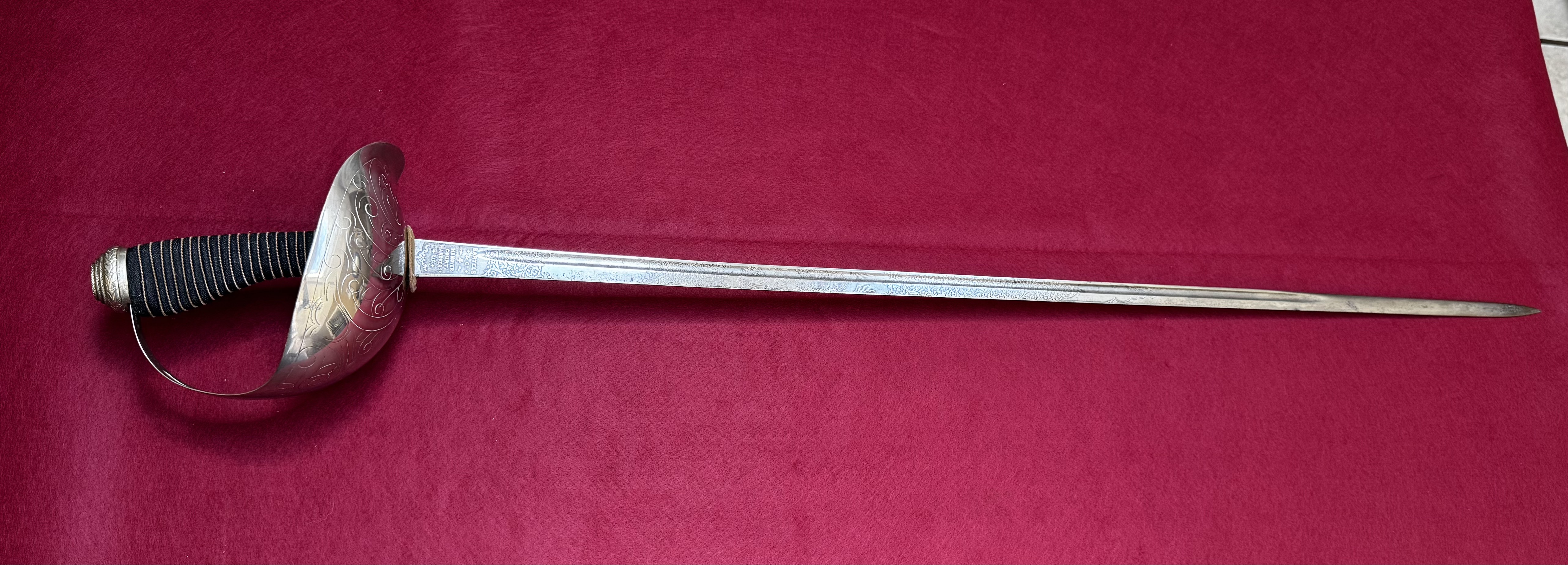
View 01
Primary artifact view.

Artifact record and analysis
Type / Pattern: British 1912 Cavalry Officer Sword
Approx. Date: Early 20th century, circa 1912 onward
Origin: United Kingdom – British Army cavalry pattern
Current Status: Private collection (Historical Sword Society)
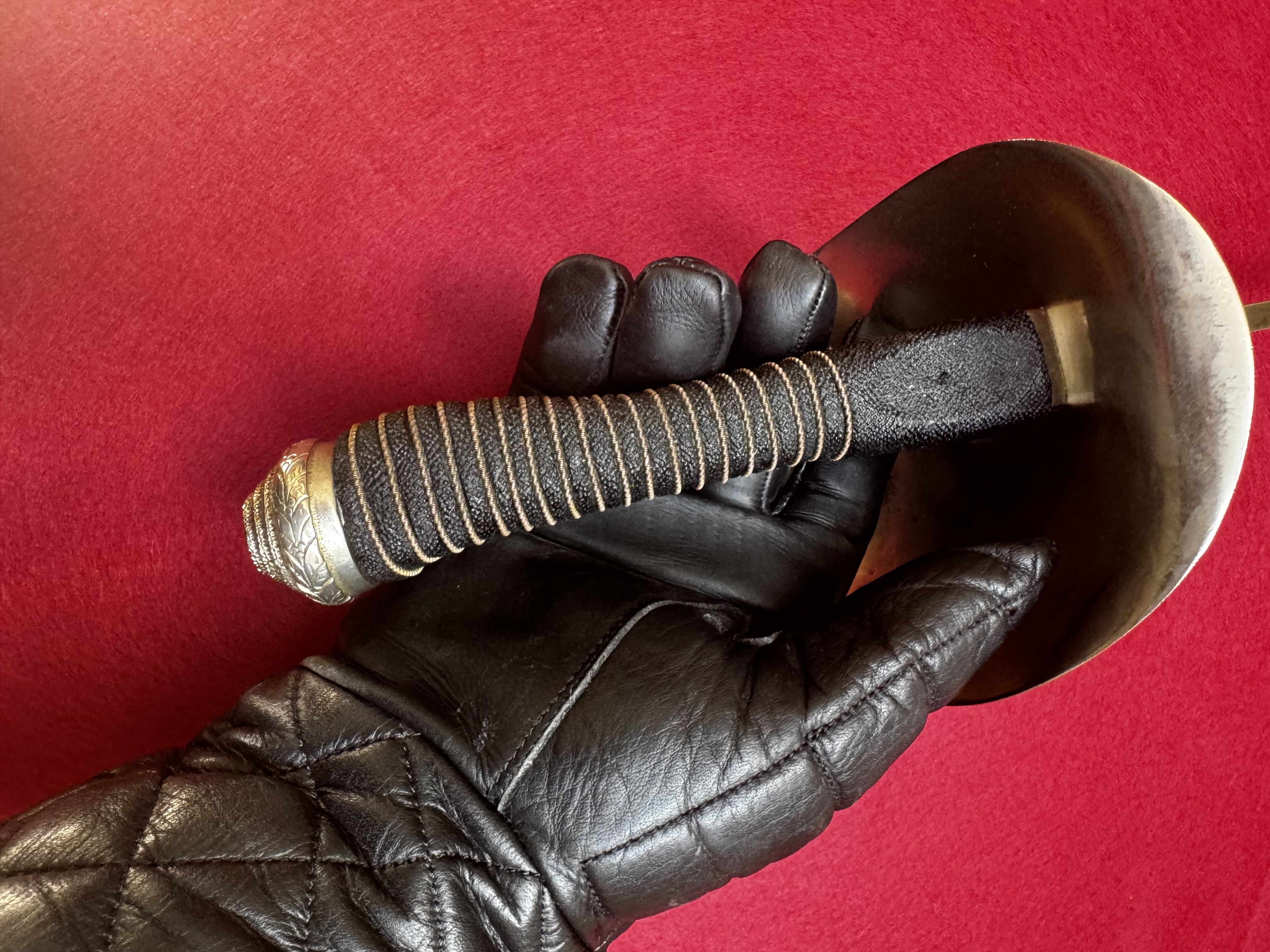
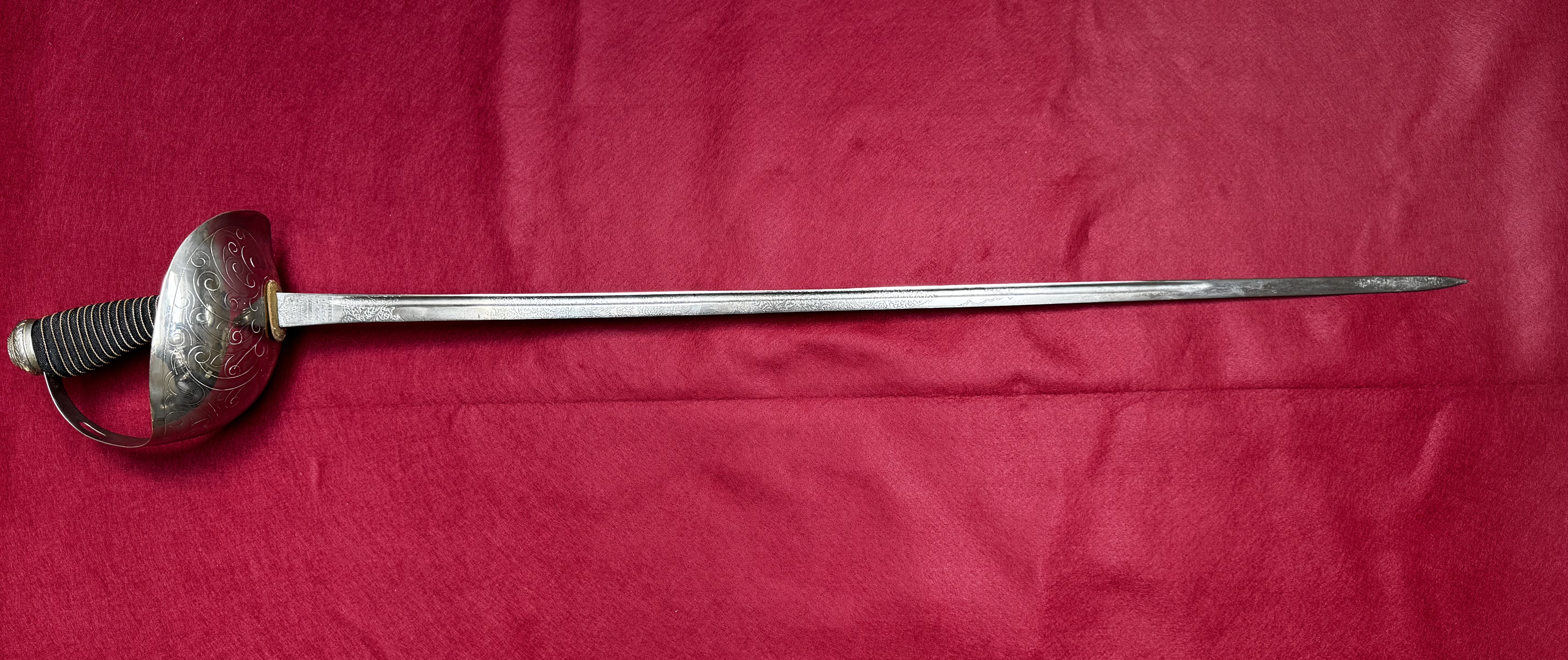
Abstract: The British 1912 Cavalry Officer Sword represents the final evolution of British cavalry sword design, optimized specifically for thrust-oriented combat. Departing from earlier curved sabres, it features a straight blade with a pronounced spear point, intended to maximize penetration and point control during mounted engagements. Its robust bowl guard and refined balance reflect the culmination of British military doctrine prior to the decline of cavalry as a battlefield force, marking it as one of the most purpose-driven service swords of the early twentieth century.
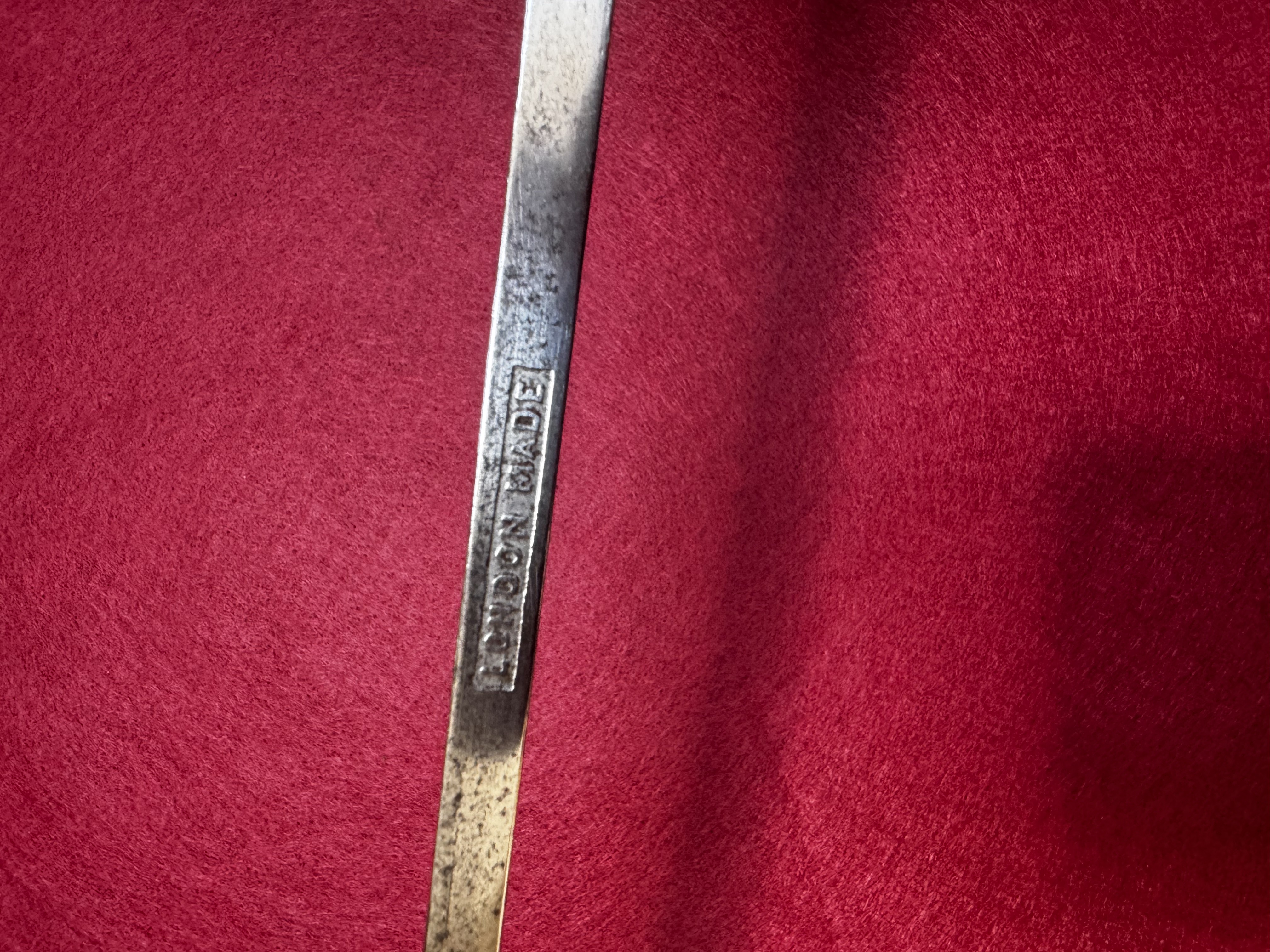
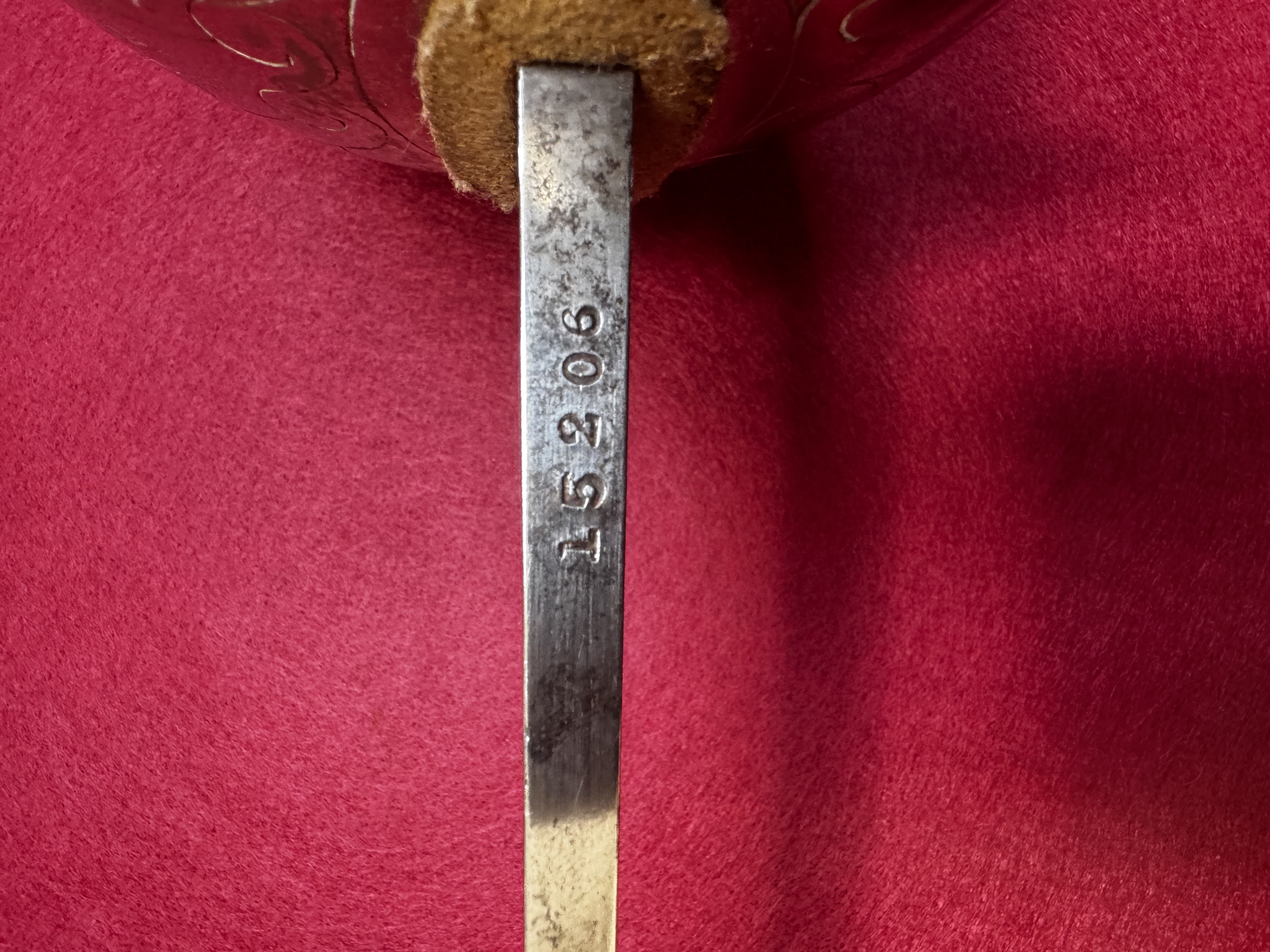
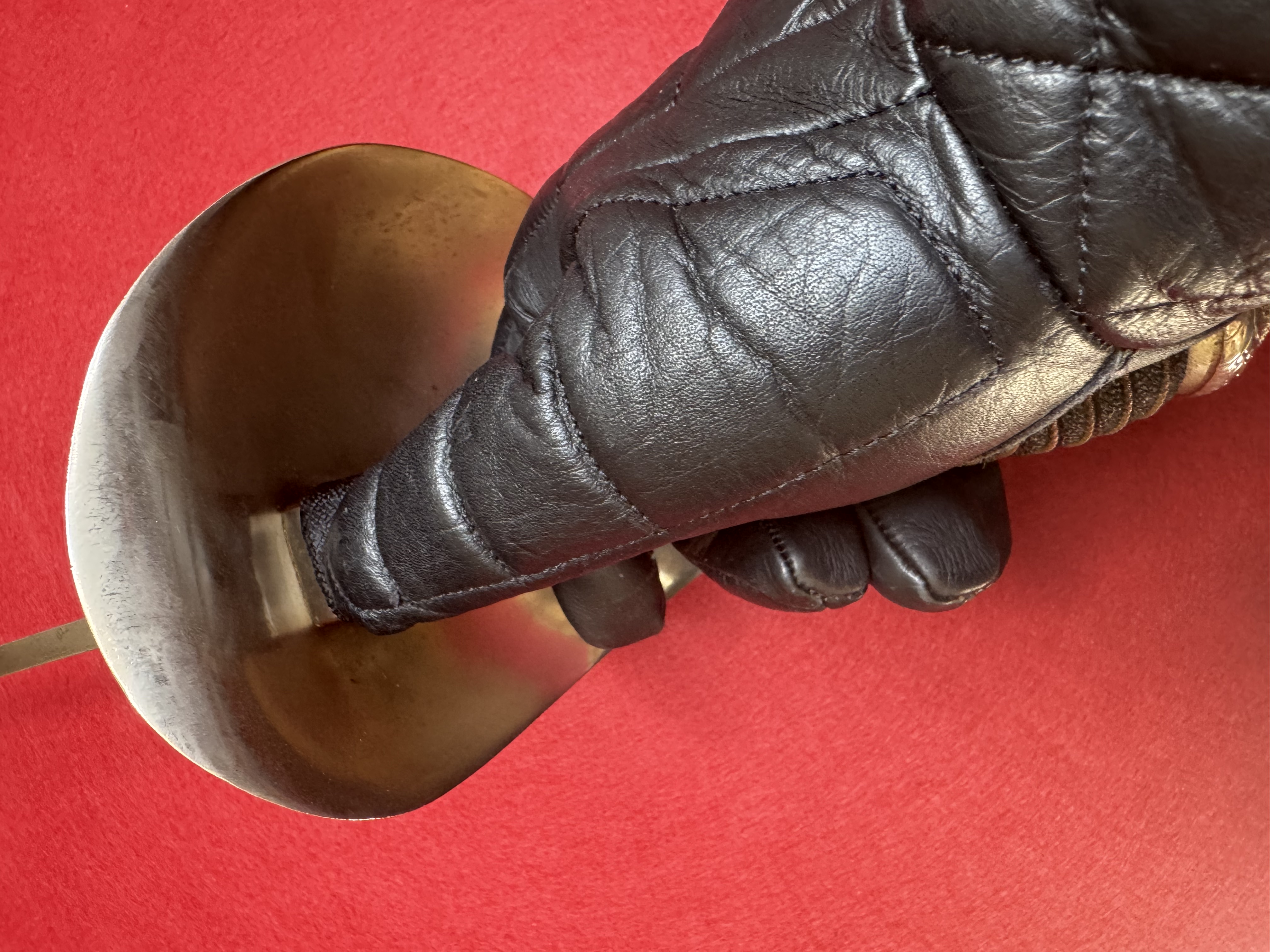
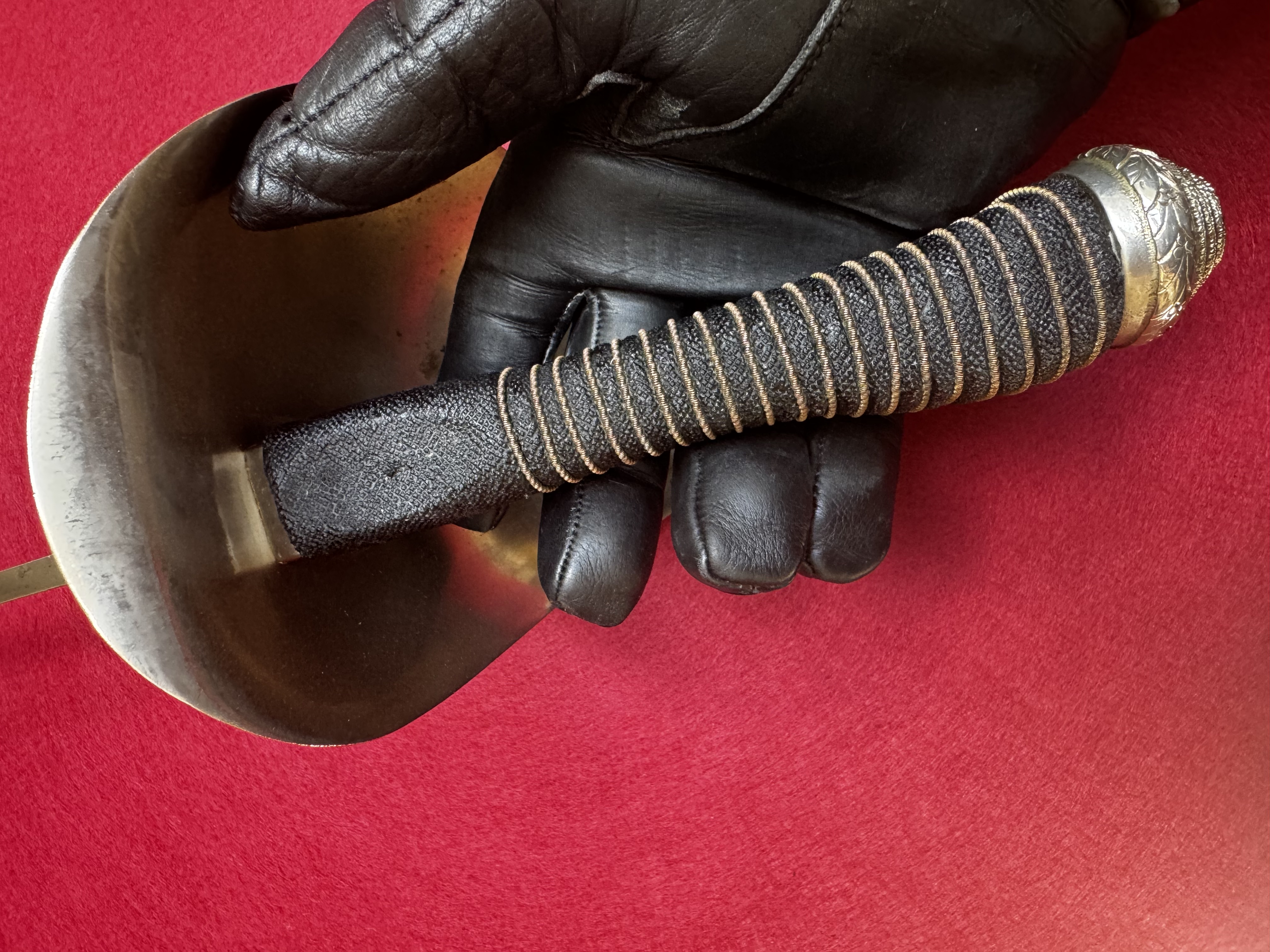
Detailed photographs documenting the sword’s full profile, bowl guard, blade geometry, point, markings, and condition.
Primary artifact view.
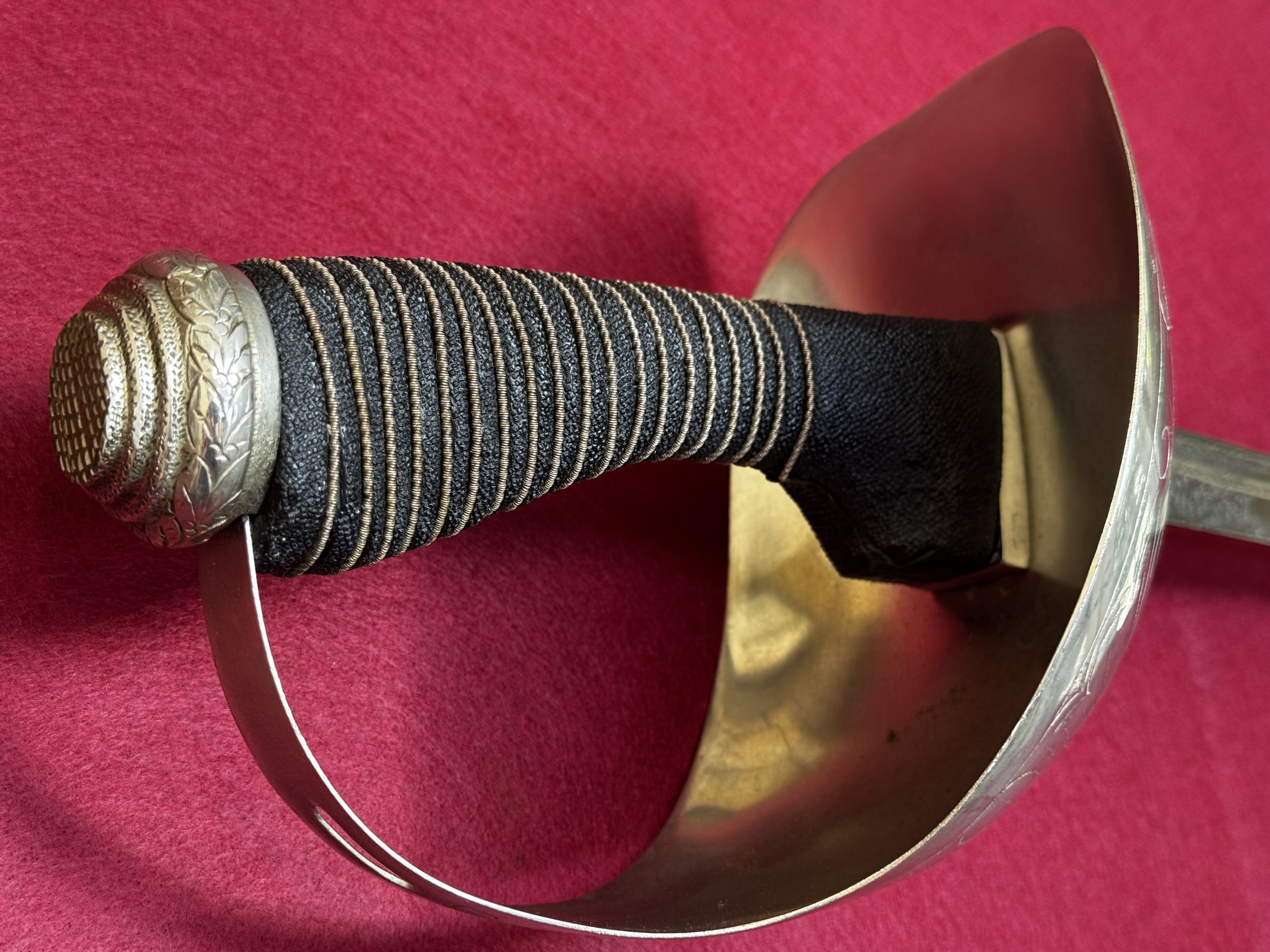
Additional artifact view.
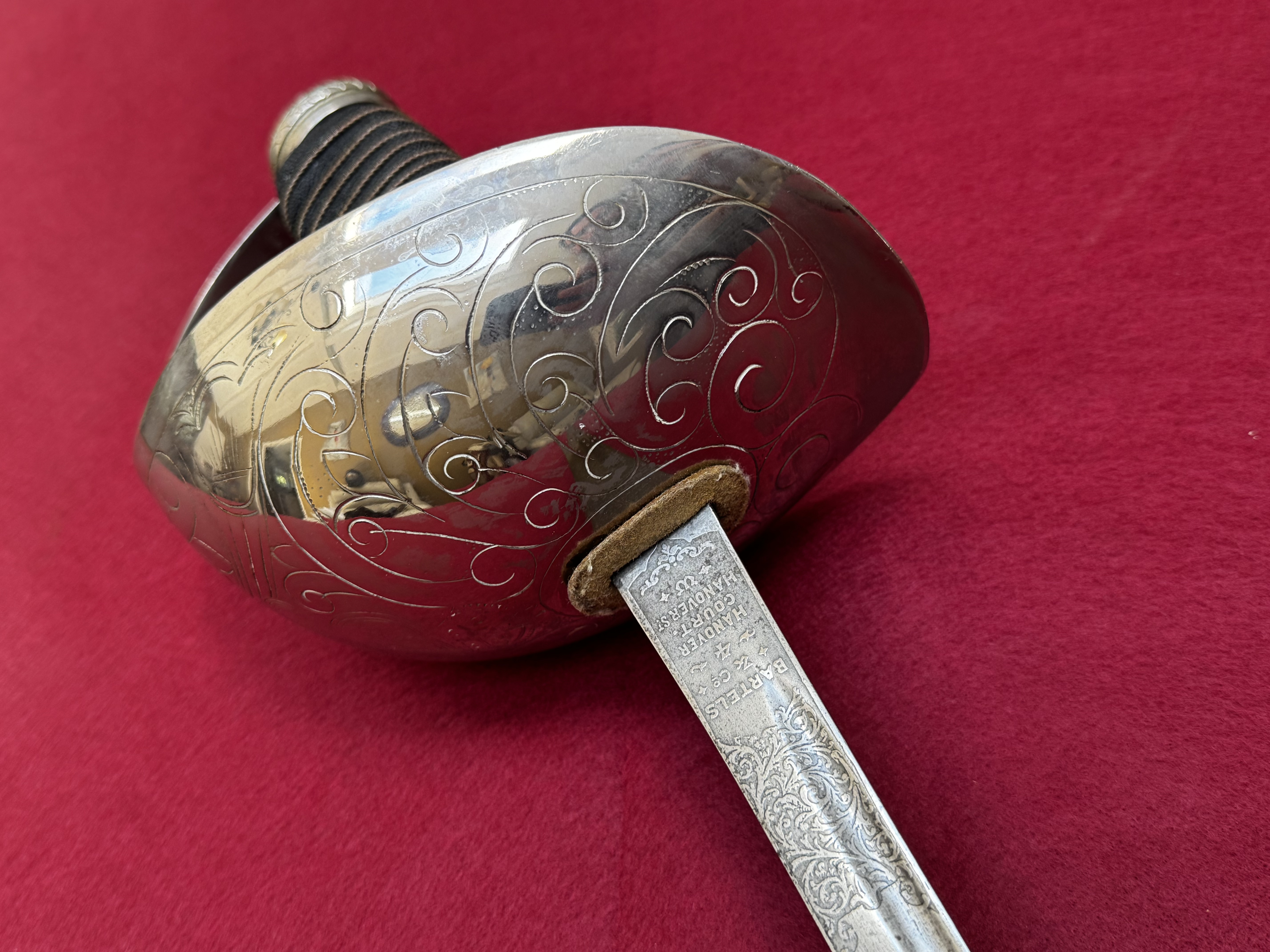
Additional artifact view.
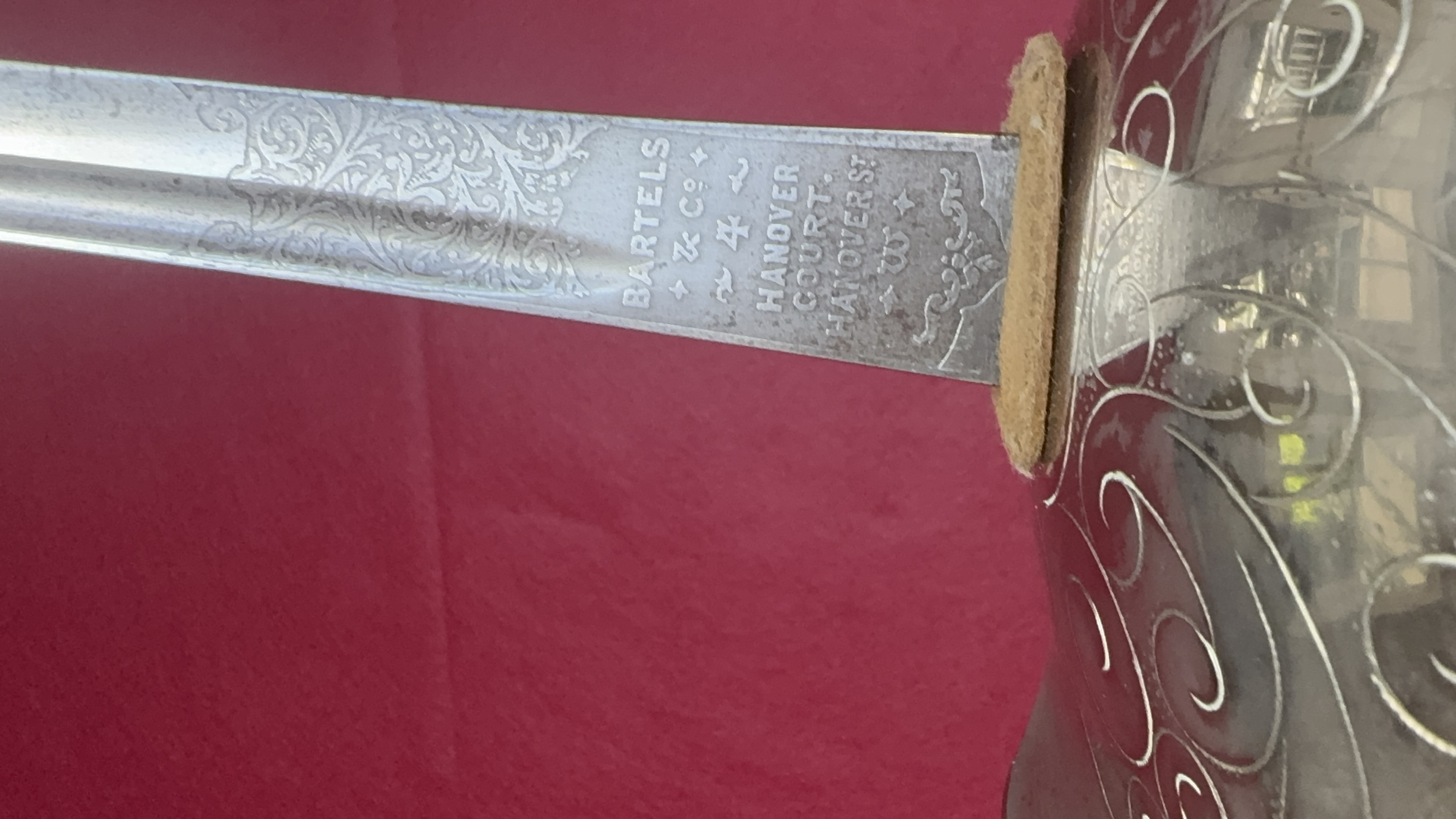
Additional artifact view.
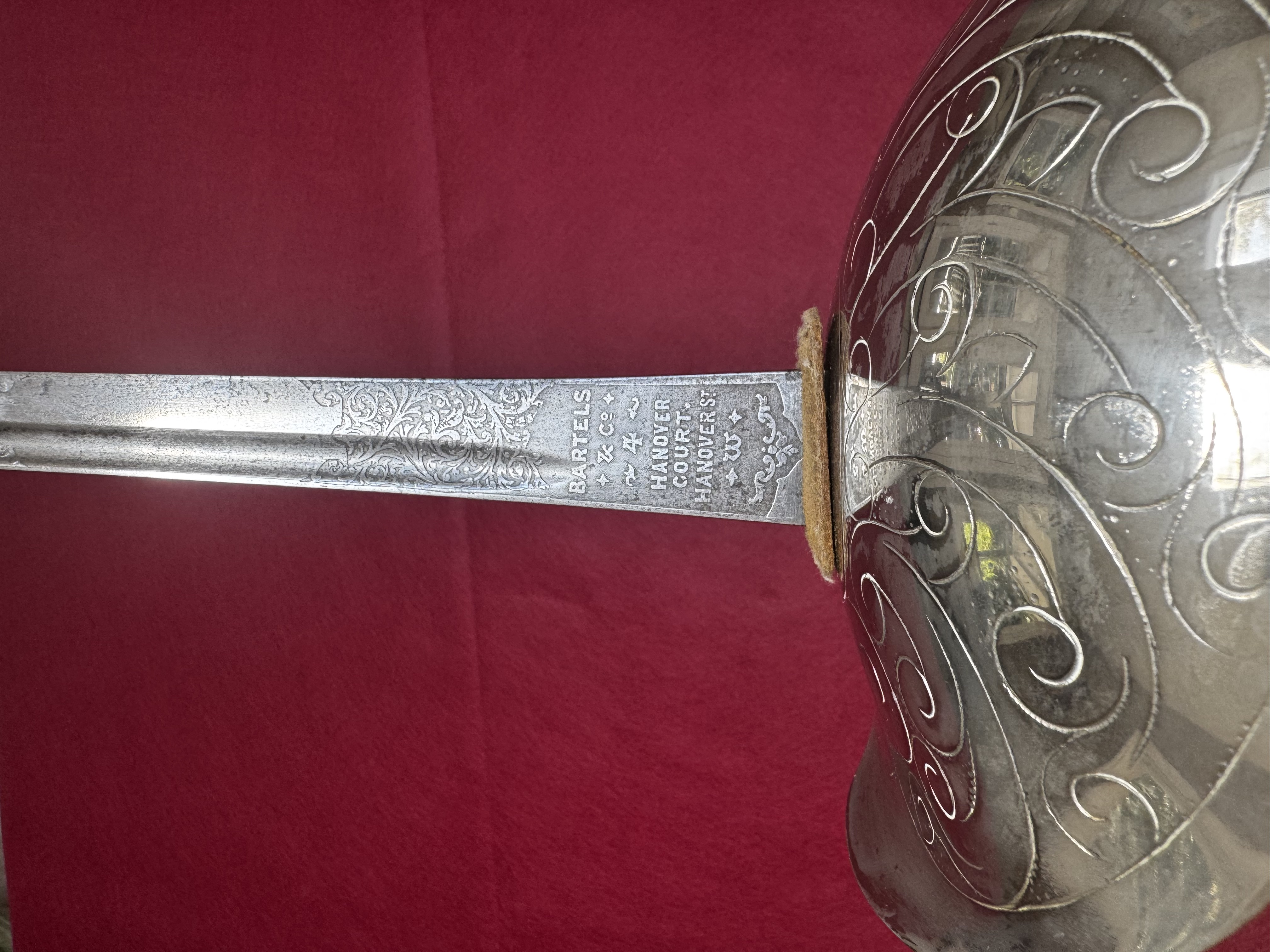
Additional artifact view.
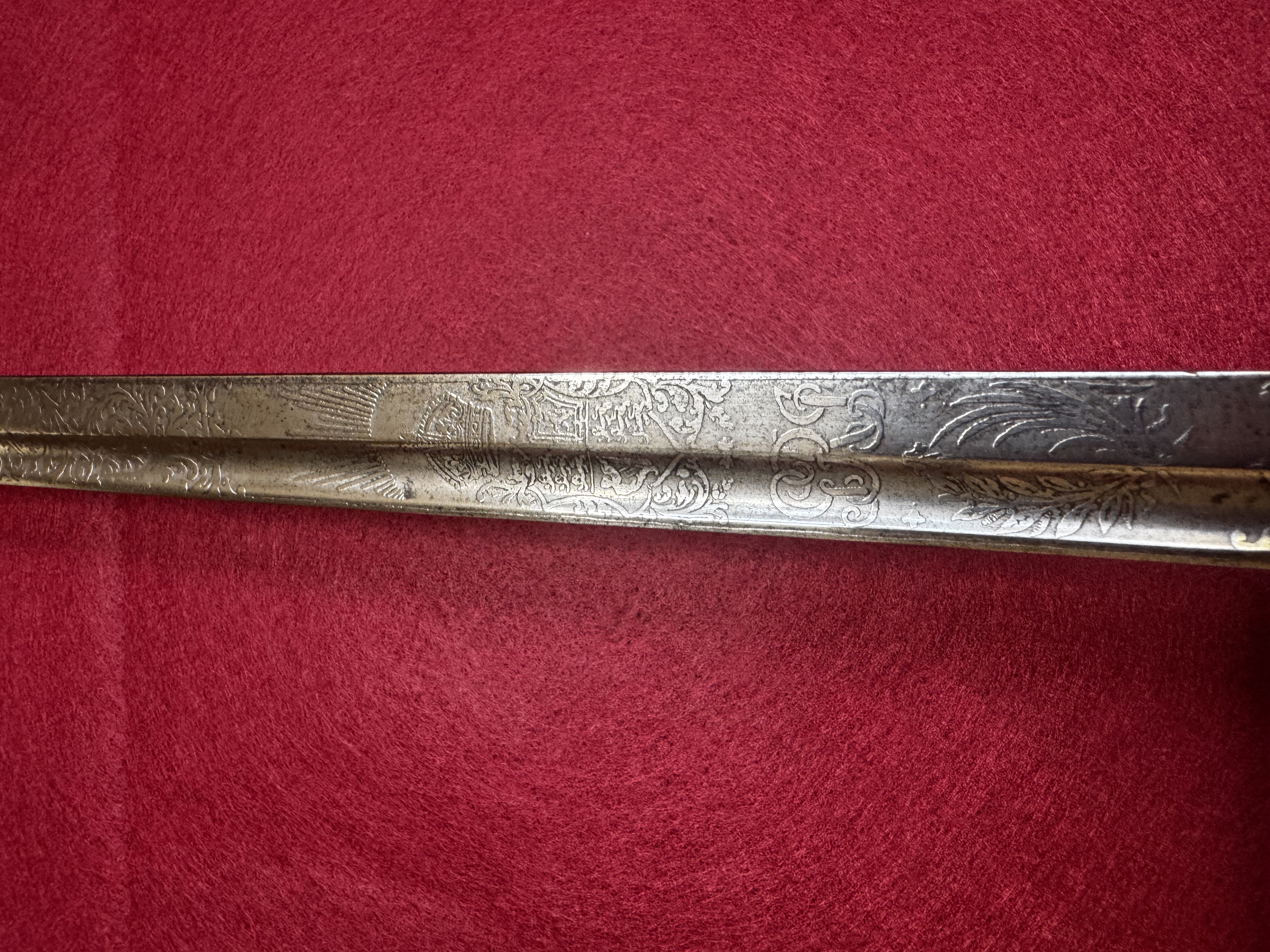
Additional artifact view.
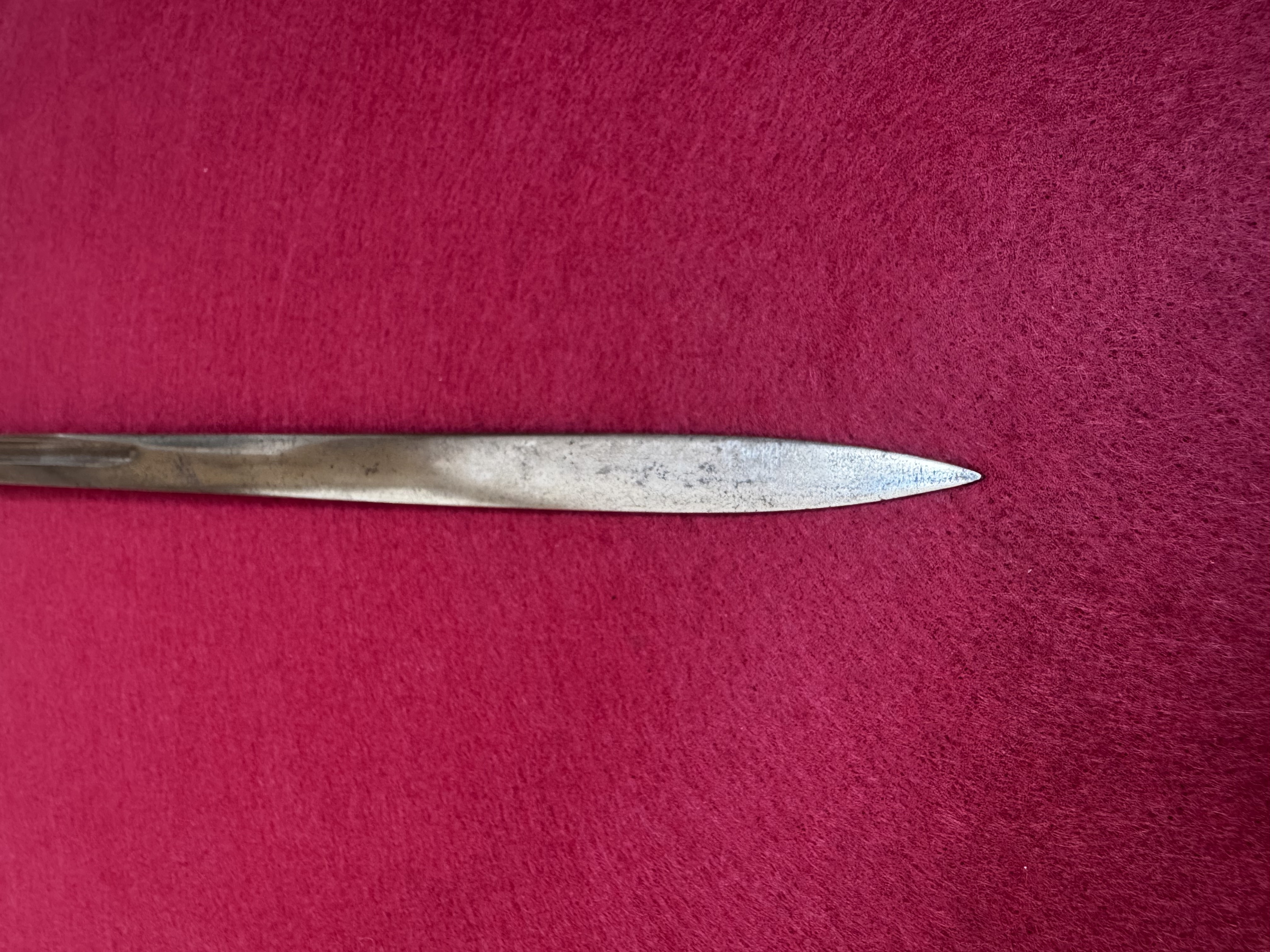
Additional artifact view.
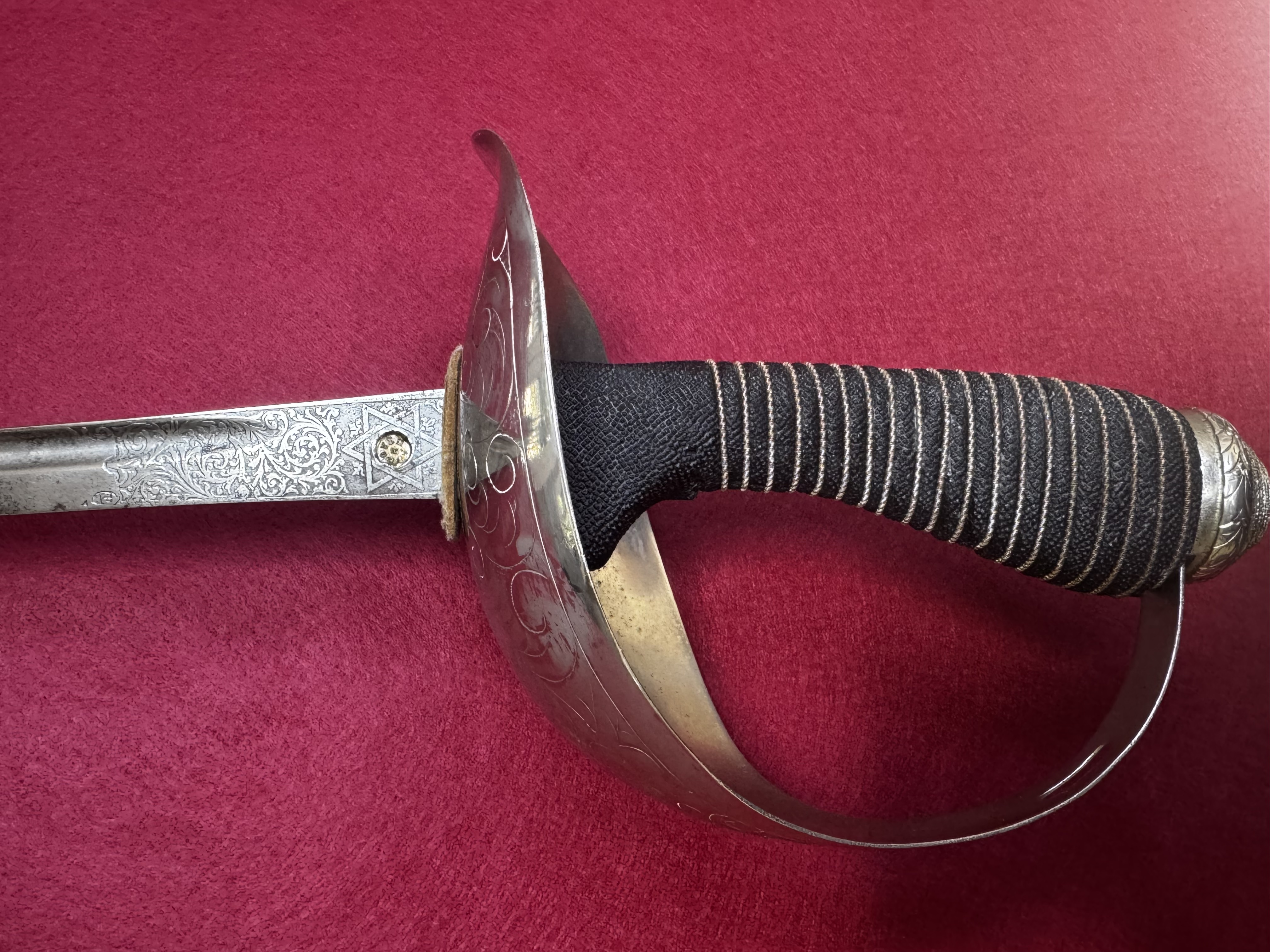
Additional artifact view.
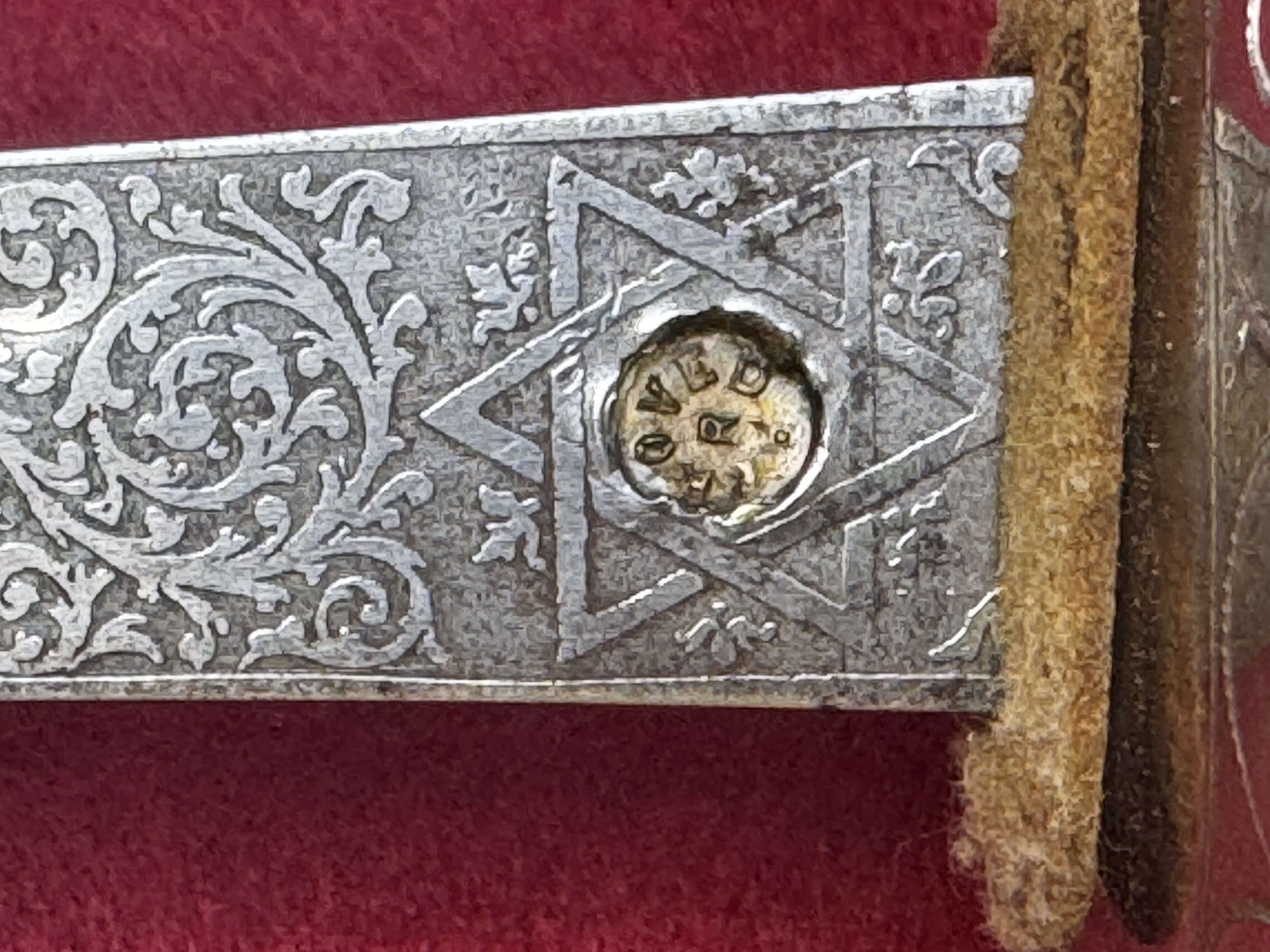
Additional artifact view.
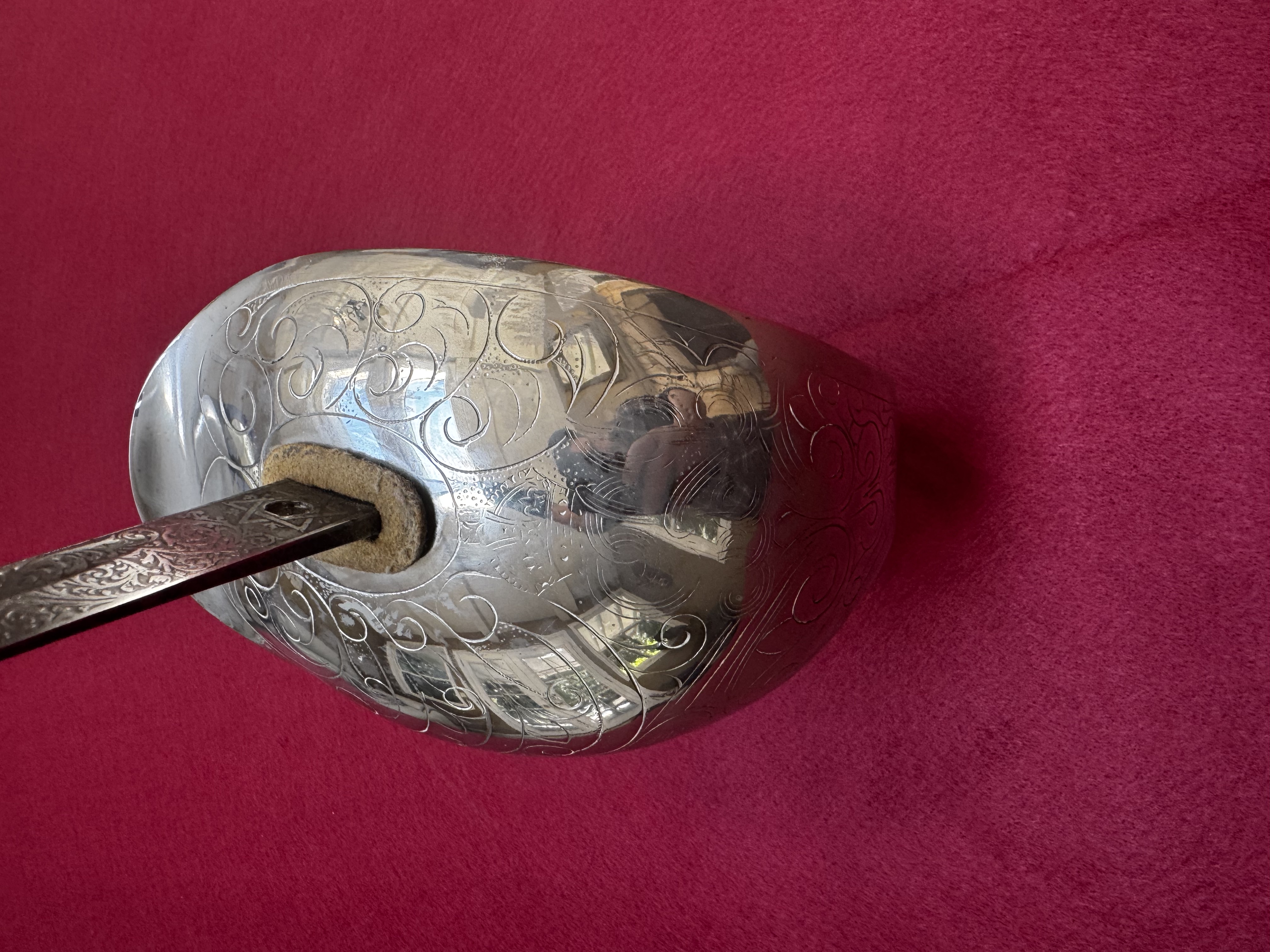
Additional artifact view.
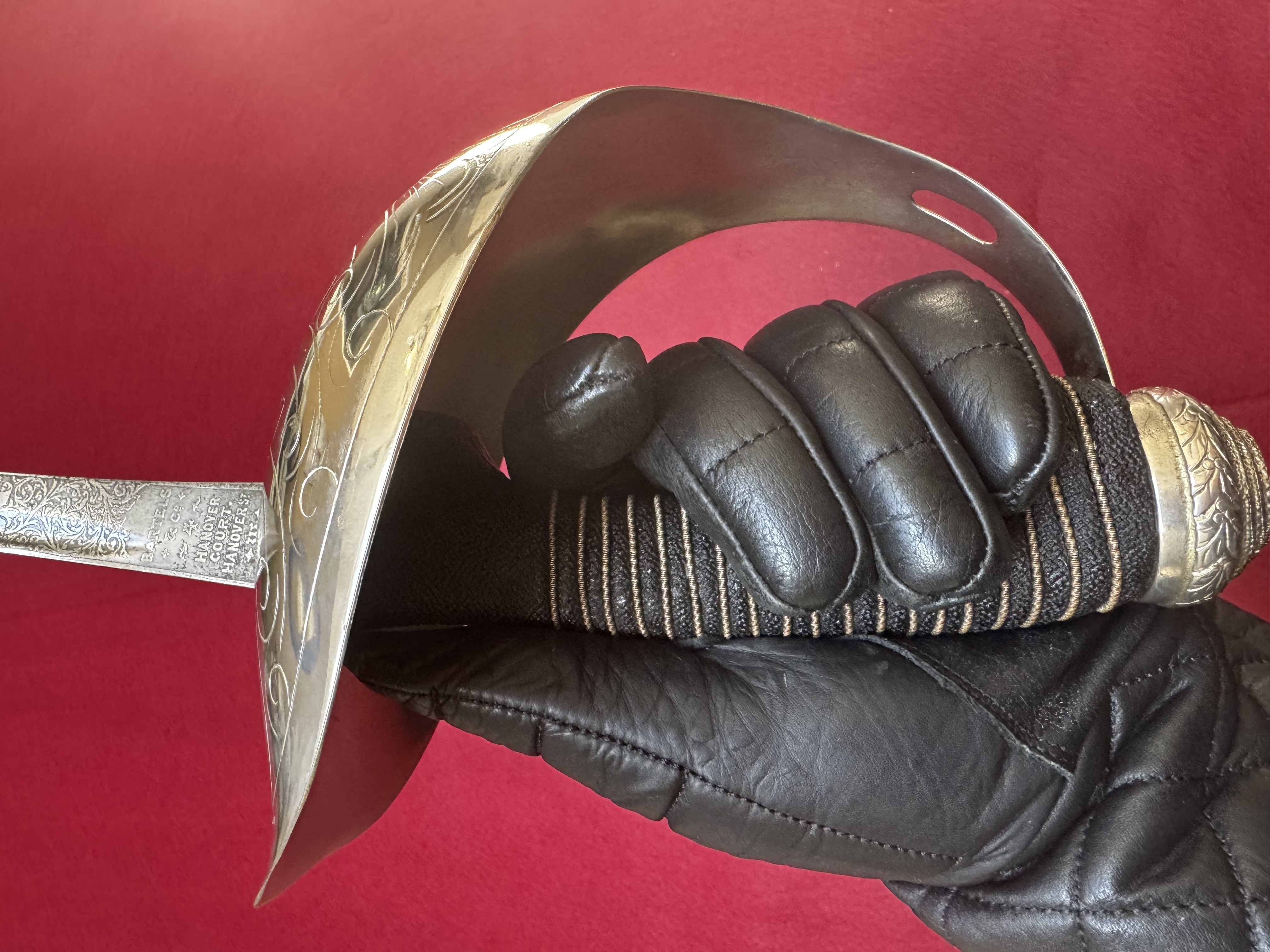
Additional artifact view.
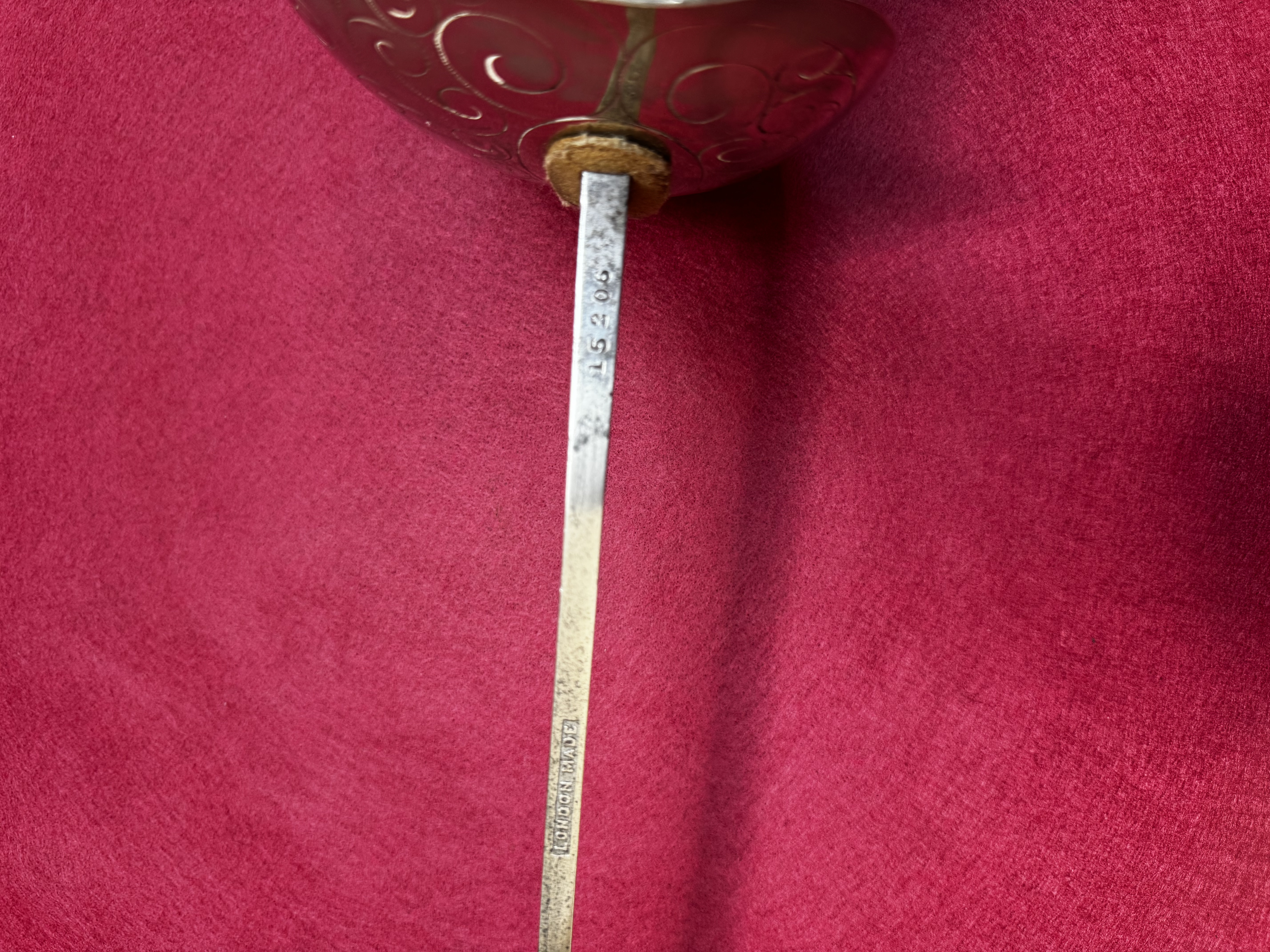
Additional artifact view.
Additional artifact view.
Additional artifact view.
Additional artifact view.
Additional artifact view.
Additional artifact view.
Additional artifact view.
| Overall length | [mm / in] |
| Blade length | [mm / in] |
| Blade width (at ricasso) | [mm / in] |
| Blade thickness (at ricasso) | [mm / in] |
| Point of balance | [mm / in from guard] |
| Weight | [g / lb] |
| Fullers | [description] |
| Edge geometry | [description] |
| Hilt material | [brass / steel / etc.] |
| Grip | [wood/leather/wire/etc.] |
| Scabbard | [present/absent; material; markings] |
Observed markings: [List spine, ricasso, guard, scabbard marks]
Interpretation: [Arsenal/manufacturer, inspector marks, unit marks, export marks]
Identification basis: [Pattern features, dimensions, comparison references]
References: Add citations to books, catalogs, museum collections, or archival documents.
[List acquisition details, prior owners (if known), dealer notes, and supporting documentation.]