01 / AREA OF STUDY
Historical European Weapons
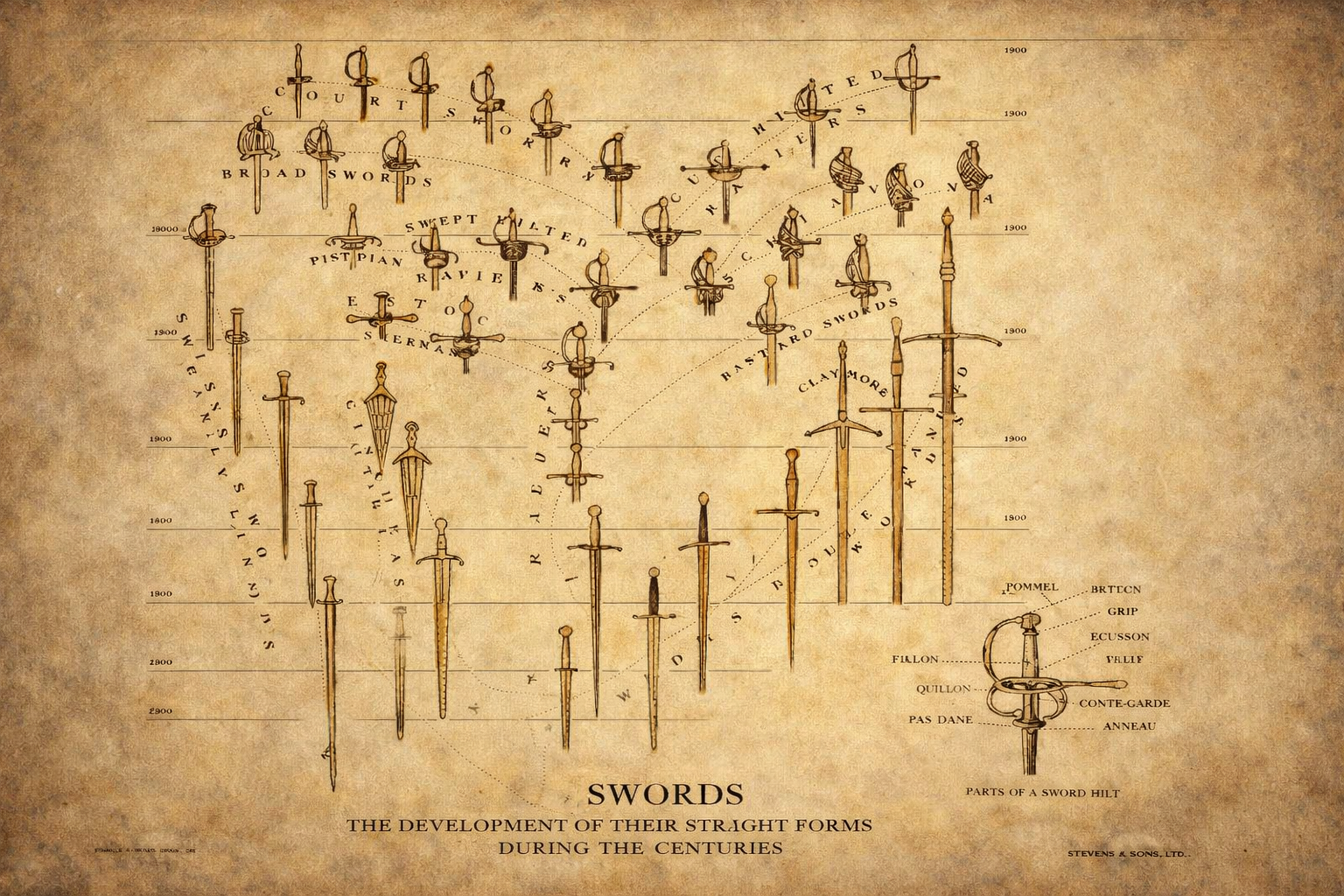
Explore the evolution, design, and martial use of European weapons, from early swords to Renaissance rapiers and military sabres.
Weapon evolution · Design · Martial traditions
Explore This Area Historical
Dedicated to the study,
preservation, and practice of
European swordsmanship.
Six paths into the history of the sword
Discover the weapon. Understand its world. Preserve its legacy.
Research through many lenses
Historical swordsmanship brings together the study of objects, written sources, materials, and the people who used them. Explore the Society’s six research disciplines, each offering a different way to understand European sword traditions.
Explore the evolution, design, and martial use of European weapons, from early swords to Renaissance rapiers and military sabres.
Weapon evolution · Design · Martial traditions
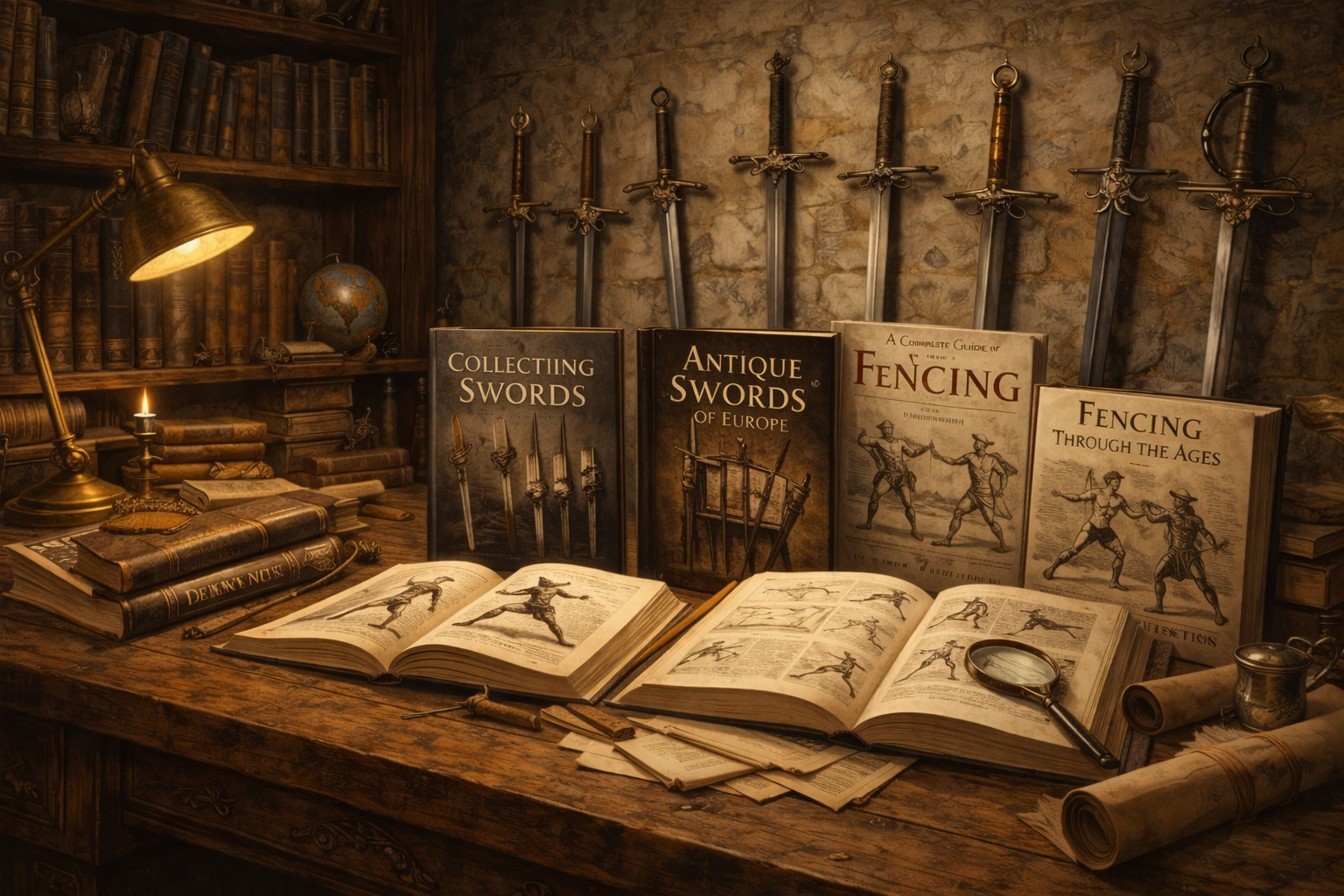
Explore This AreaStudy original fencing manuals, military regulations, and period writings to understand historical techniques and the traditions behind them.
Primary sources · Fencing masters · Interpretation
Explore This AreaExamine antique blades, hilts, markings, and construction details to understand the surviving sword as a source of historical evidence.
Identification · Markings · Construction
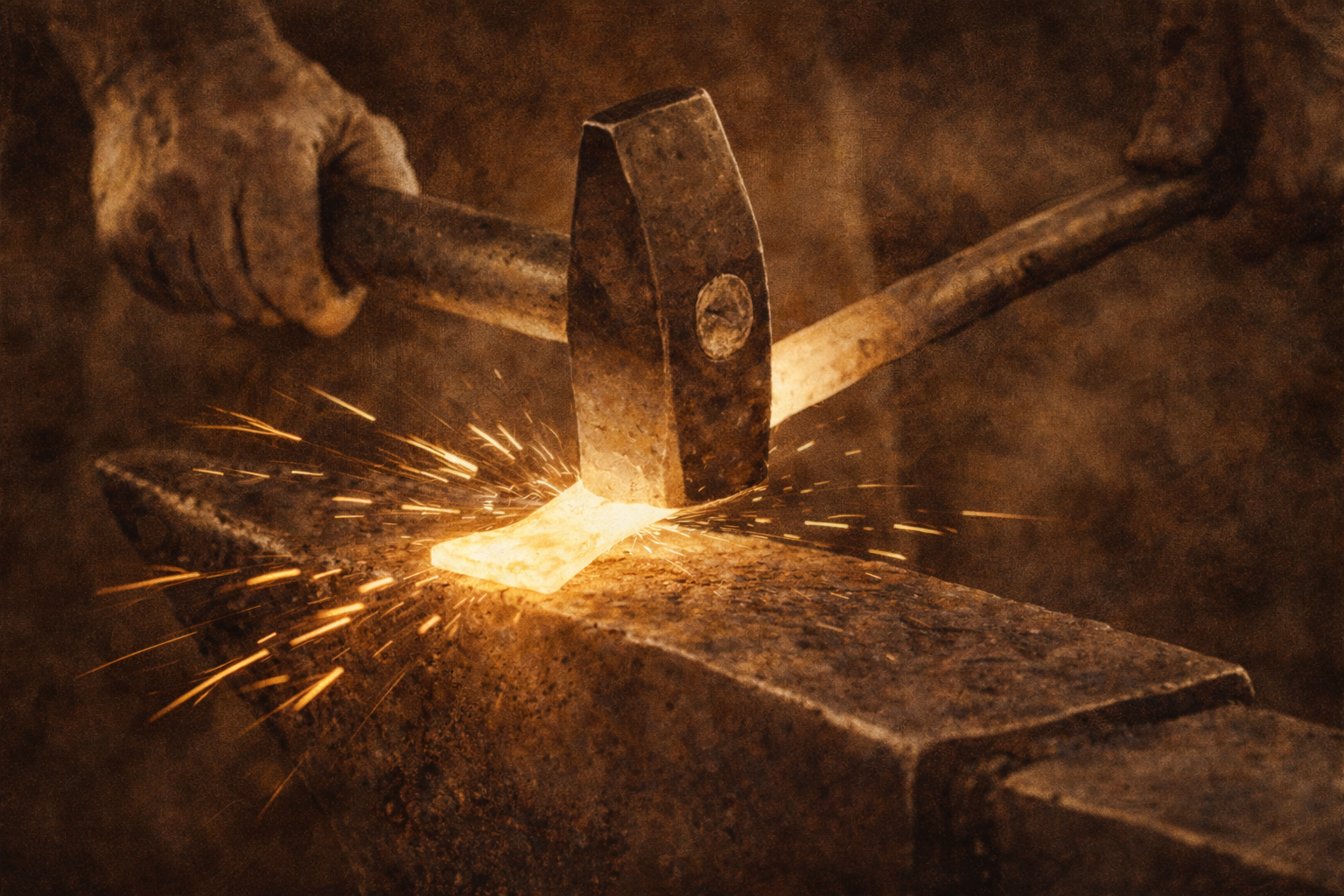
Explore This AreaInvestigate forging methods, steel composition, heat treatment, and blade geometry to understand how materials shape a sword’s performance.
Steel · Forging · Blade geometry
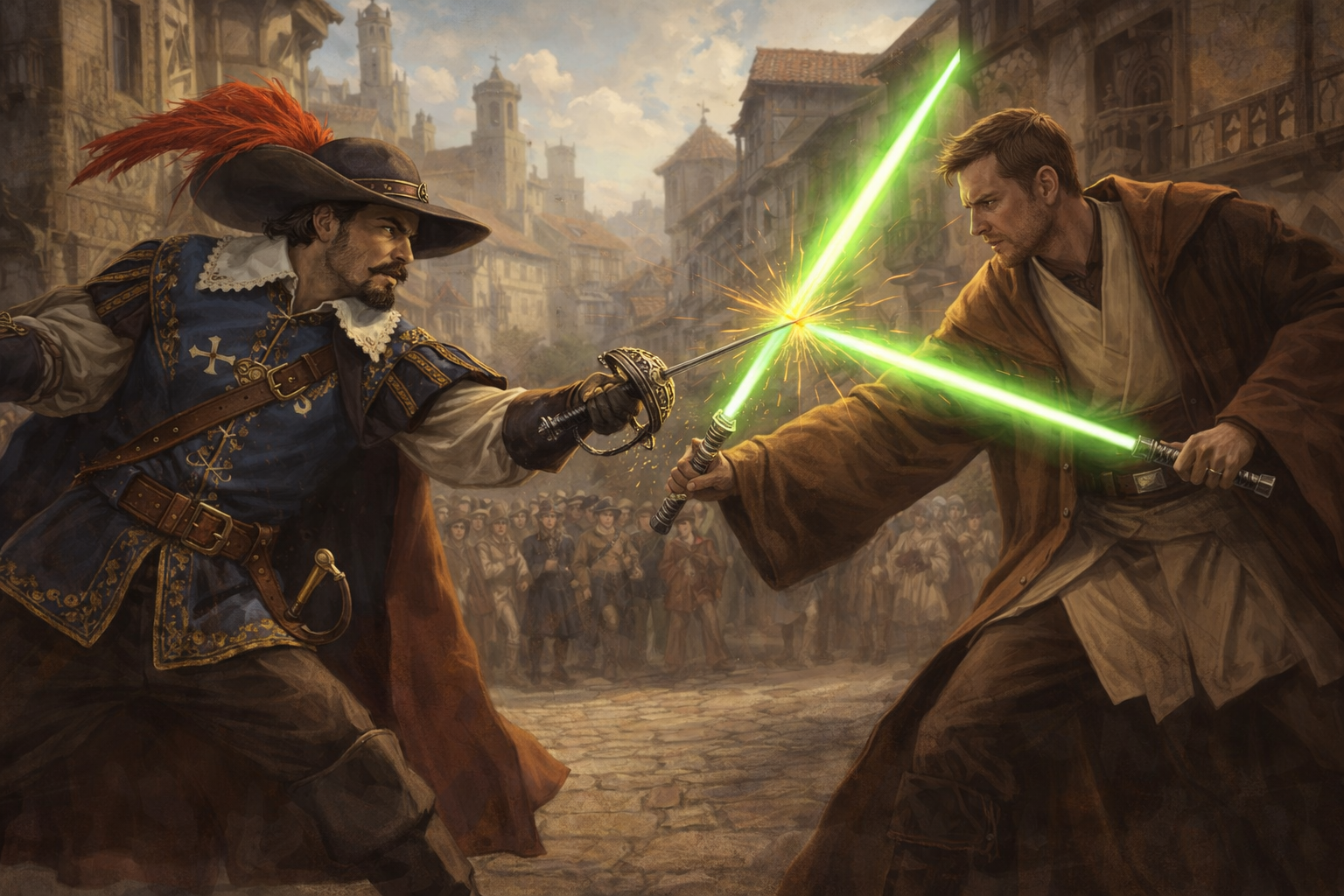
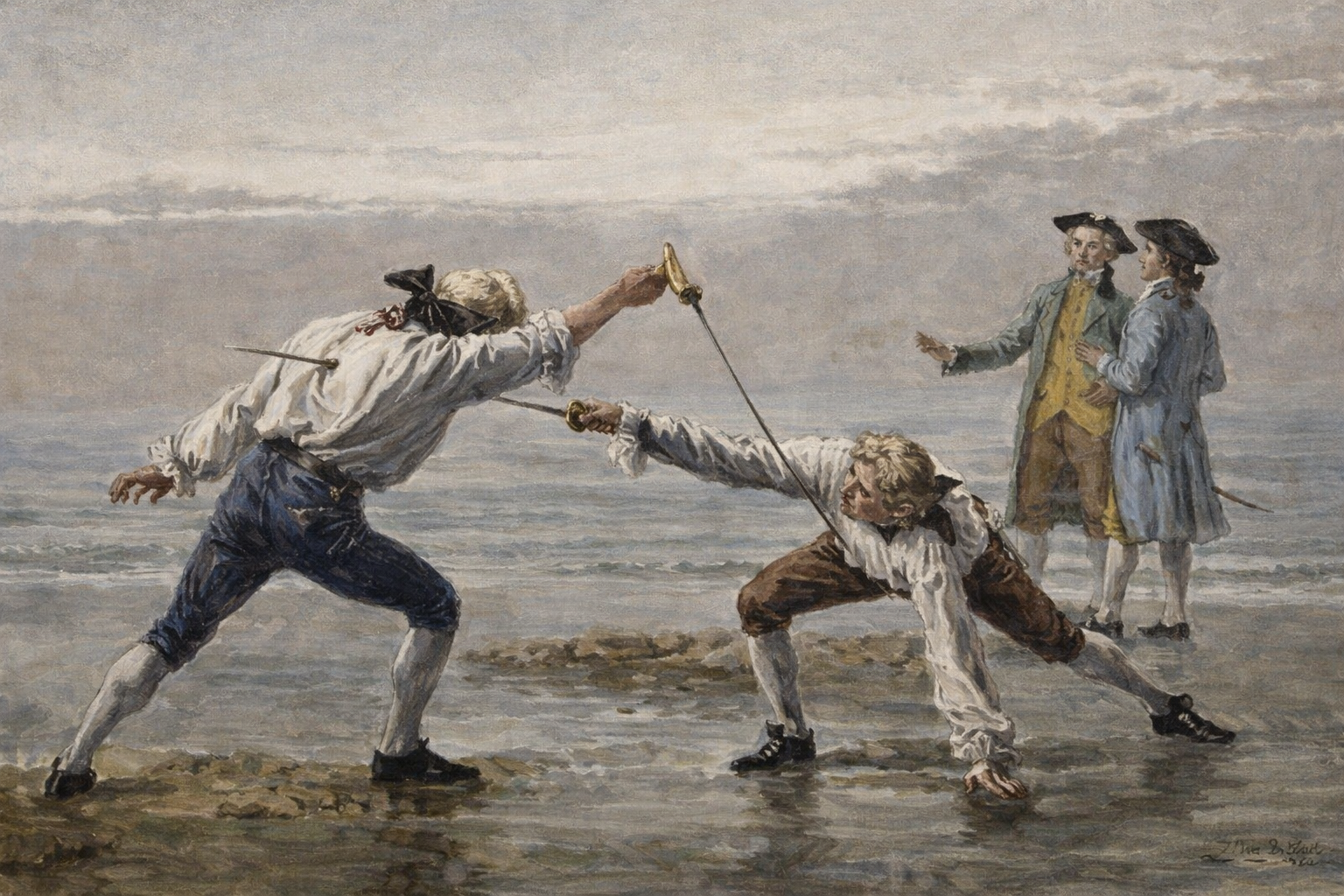
Explore This AreaDiscover the sword’s place in European society, including military service, dueling culture, artistic expression, and ceremonial traditions.
Military history · Dueling · Ceremony
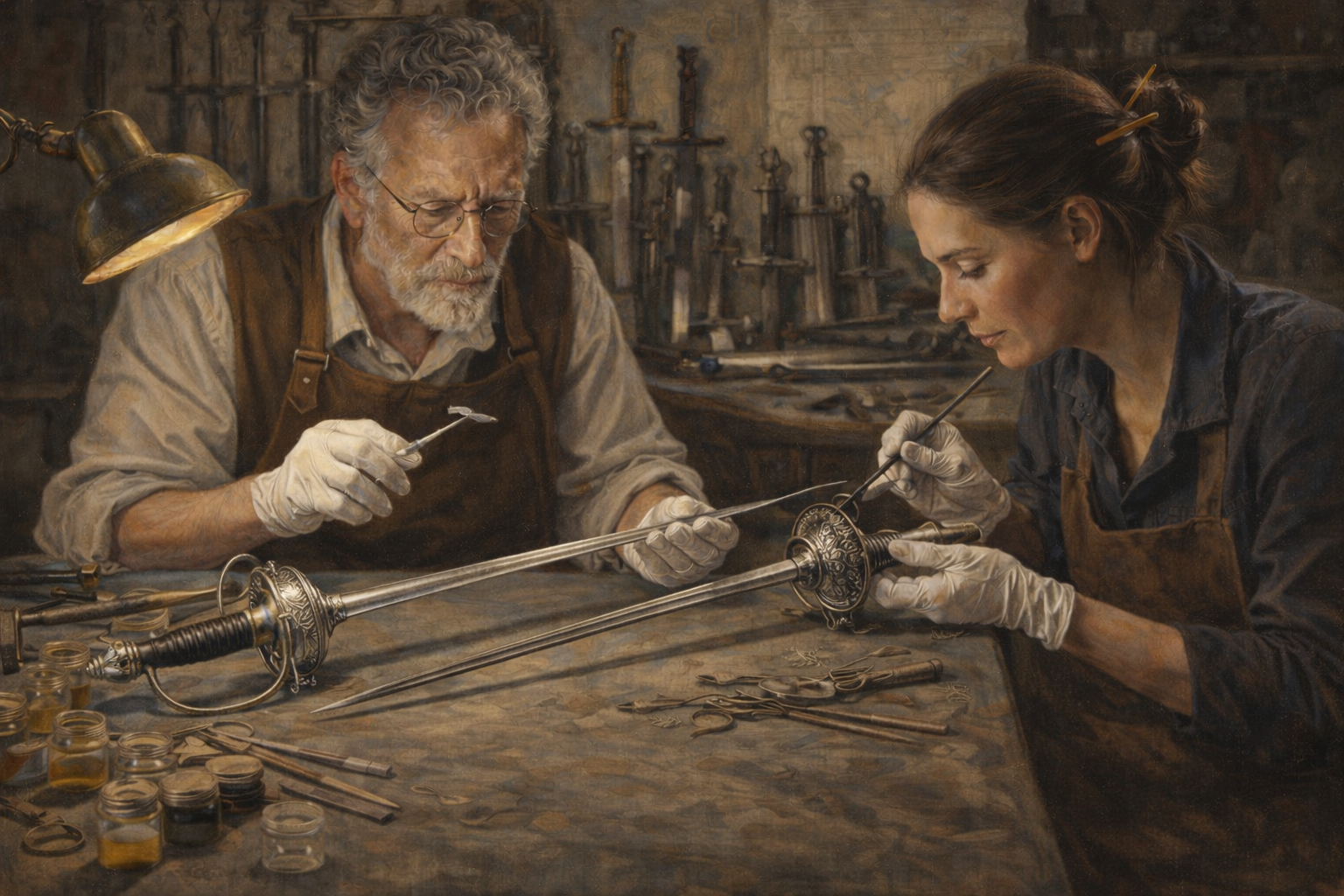
Explore This AreaExplore the care and preservation of antique swords, with attention to corrosion prevention, historical integrity, and responsible conservation.
Preventive care · Historical integrity · Conservation
Explore This AreaFrom study to practice
Explore structured historical fencing instruction, guided drills, and technical exercises through the Society’s training programs.
Have a research question or an artifact to discuss?
Contact the Society